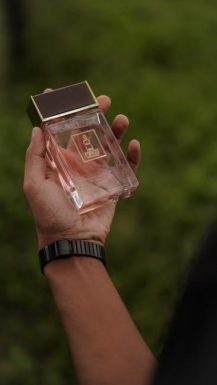
Parf Guide: A Comprehensive Exploration
Fragrance is a deeply personal expression, reflecting individuality through carefully blended notes; understanding these nuances unlocks a world of scent possibilities.
Today, 04/07/2026 at 14:08:00, explore the art of selecting scents, considering concentrations, and mastering application techniques for a captivating aroma.
Understanding Fragrance Families
Fragrance families categorize perfumes based on dominant scent characteristics, offering a helpful starting point for exploration. These groupings aren’t rigid, as many perfumes blend elements from multiple families, creating complex profiles.
Floral fragrances, a classic choice, center around the scent of single flowers or bouquets – think rose, jasmine, or lily of the valley. They’re often feminine and romantic. Oriental fragrances are warm, spicy, and often sweet, featuring notes like vanilla, amber, and musk, evoking exotic allure.
Woody fragrances offer an earthy and sophisticated vibe, utilizing scents like sandalwood, cedarwood, and patchouli. They’re often grounding and unisex. Fresh fragrances are clean and invigorating, incorporating citrus, aquatic, or green notes, perfect for warmer weather. Understanding these families helps navigate the vast world of perfumes and pinpoint scents aligned with personal preferences.
The interplay of notes within each family creates unique experiences.
Floral Fragrances: A Classic Choice
Floral fragrances represent a timeless and beloved category, consistently popular for their romantic and feminine qualities. These scents center around the aroma of blossoms, ranging from delicate single floral notes to opulent bouquets.
Rose is a quintessential floral note, offering variations from powdery and sweet to fresh and green. Jasmine provides an intoxicating, rich floral scent, often with a slightly animalic undertone. Lily of the valley delivers a delicate, green, and watery floral aroma.
Floral perfumes often incorporate other notes to add complexity; fruity accents like peach or berry enhance sweetness, while woody or musky bases provide depth and longevity. They are versatile, suitable for both daytime wear and special occasions, embodying elegance and grace. Choosing a floral fragrance is a celebration of nature’s beauty.
Explore different floral combinations to discover your signature scent.
Oriental Fragrances: Warm and Spicy
Oriental fragrances, also known as amber fragrances, are renowned for their warmth, sensuality, and exotic allure. These scents are built around a rich blend of spices, resins, and sweet notes, creating a captivating and long-lasting impression.
Vanilla is a cornerstone of many oriental perfumes, providing a creamy sweetness. Spices like cinnamon, clove, and nutmeg add warmth and complexity. Amber, often a blend of labdanum, benzoin, and vanilla, contributes a resinous, golden warmth.
Oriental perfumes frequently incorporate floral notes like jasmine or rose to soften the intensity, and woody bases like sandalwood or patchouli to add depth and grounding. They are ideal for evening wear or cooler seasons, evoking a sense of mystery and sophistication. These fragrances are bold and unforgettable, leaving a lasting trail.
Embrace the luxurious and captivating world of oriental scents.
Woody Fragrances: Earthy and Sophisticated
Woody fragrances evoke a sense of grounding, warmth, and natural elegance. These scents are characterized by their prominent use of wood notes, offering a sophisticated and timeless appeal. They are often described as earthy, comforting, and subtly masculine, though increasingly popular across genders.
Sandalwood is a classic woody note, providing a creamy, smooth, and slightly sweet aroma. Cedarwood offers a dry, pencil-shaving-like scent, adding structure and a crisp edge. Vetiver contributes an earthy, smoky, and slightly grassy nuance.
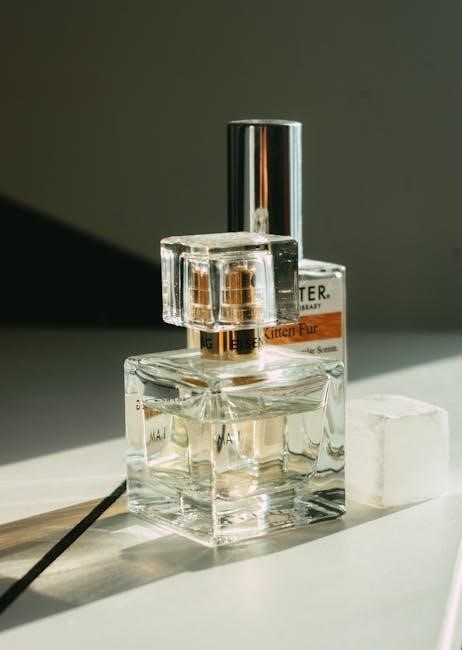
Woody perfumes are often blended with other fragrance families, such as oriental or fresh notes, to create complex and balanced compositions. They are versatile and suitable for year-round wear, particularly appealing in autumn and winter; These fragrances project confidence and understated luxury.
Discover the enduring charm of woody scents.
Fresh Fragrances: Clean and Invigorating
Fresh fragrances embody a sense of cleanliness, energy, and revitalization. These scents are typically light, airy, and reminiscent of the outdoors, offering a crisp and uplifting experience. They are ideal for warm weather and casual occasions, evoking feelings of freedom and vitality.
Citrus notes like lemon, grapefruit, and bergamot are cornerstones of fresh fragrances, providing a zesty and bright opening. Aquatic notes mimic the scent of the ocean, creating a cool and refreshing effect. Green notes, such as cut grass or leaves, add a natural and vibrant touch.
Often combined with floral or fruity elements, fresh perfumes offer a versatile and approachable scent profile. They are perfect for those who prefer a subtle yet noticeable fragrance that doesn’t overwhelm. These scents are synonymous with youthful energy and a carefree spirit.
Embrace the invigorating power of fresh fragrances.

Decoding Fragrance Notes
Understanding top, middle, and base notes is crucial for fragrance selection; these layers create a scent’s evolution, impacting overall perception and longevity.
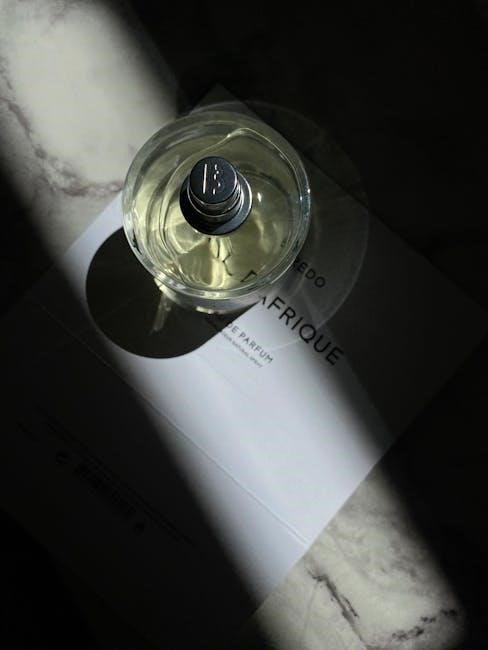
Top Notes: The First Impression
Top notes form the initial olfactory experience, captivating the senses within the first fifteen minutes of application. These are typically light, fresh, and volatile scents designed to immediately grab attention. Common constituents include citrus fruits like bergamot, lemon, and grapefruit, alongside herbal aromas such as lavender and basil.
Because of their high volatility, top notes dissipate quickly, creating that fleeting first impression. They are crucial for making a positive initial impact, influencing whether someone is drawn to a fragrance or not. However, their brief presence means they don’t significantly contribute to the overall scent profile for an extended period.
Think of top notes as a welcoming handshake – a brief but important introduction. Perfumers carefully select these notes to create intrigue and pave the way for the more complex and enduring heart and base notes to unfold. They set the stage for the fragrance’s journey.
Middle Notes (Heart Notes): The Core of the Scent
Middle notes, also known as heart notes, emerge after the top notes fade, forming the core identity of a fragrance. They develop between 20 minutes and an hour after application, representing the main theme and character of the perfume. These notes are typically more rounded and complex than top notes, providing depth and substance.
Common heart notes include floral scents like rose, jasmine, and ylang-ylang, as well as spicy notes such as cinnamon and clove. They bridge the gap between the initial freshness of the top notes and the lasting power of the base notes, creating a harmonious blend.
The heart notes are what you’ll remember most about a fragrance, defining its personality and overall impression. They contribute significantly to the longevity and memorability of the scent, lingering on the skin for several hours.
Base Notes: The Long-Lasting Foundation
Base notes form the foundation of a fragrance, providing depth and longevity. Emerging after 30 minutes to several hours, they are the richest and most substantial elements, anchoring the scent and allowing it to linger on the skin for an extended period – often for several hours or even a full day.
These notes are typically derived from warm, woody, or resinous ingredients like sandalwood, vanilla, amber, patchouli, and musk. They create a lasting impression, adding complexity and sophistication to the overall composition. Base notes interact with your skin’s chemistry, subtly evolving over time.
The quality of base notes significantly impacts a perfume’s staying power and overall character. They provide a grounding effect, balancing the brighter top and middle notes, and contributing to a well-rounded, memorable fragrance experience.
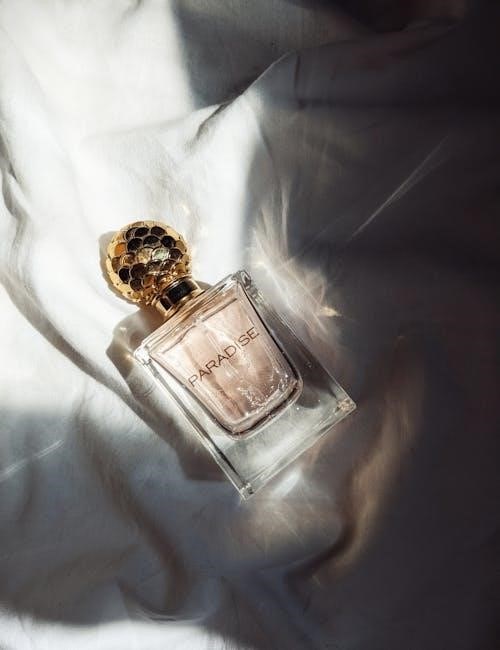
Perfume Concentrations & Longevity
Perfume concentration dictates its strength and how long it lasts; from potent Parfum to lighter Eau de Cologne, each offers a unique aromatic experience.
Parfum: The Most Concentrated Form
Parfum, often simply called “perfume,” represents the pinnacle of fragrance concentration, typically containing between 20% and 30% of pure perfume essence. This high concentration results in an exceptionally long-lasting scent, often lingering on the skin for six to eight hours, or even longer depending on individual skin chemistry.
Due to its intensity, Parfum is applied sparingly, usually to pulse points like the wrists, neck, and behind the ears. A little goes a long way, making it a cost-effective choice despite its higher price point. The rich, complex aroma of Parfum develops beautifully over time, unfolding its layers of top, middle, and base notes.
Historically, Parfum was reserved for special occasions due to its luxurious nature and price. However, it’s now enjoyed daily by those who appreciate a powerful, enduring fragrance. Choosing a Parfum is an investment in a truly captivating and sophisticated scent experience.
Eau de Parfum (EdP): Long-Lasting and Popular
Eau de Parfum (EdP) strikes a harmonious balance between fragrance concentration and affordability, making it one of the most popular choices among perfume enthusiasts. Typically containing between 15% and 20% perfume oil, EdP offers a substantial scent presence that lasts for four to five hours on the skin.
This concentration level allows for a noticeable, yet not overpowering, aroma, suitable for both everyday wear and special occasions. EdP fragrances are versatile enough to be enjoyed year-round and often feature complex compositions with well-defined top, middle, and base notes.
The longevity and projection of EdP make it a practical and luxurious option. It’s a great starting point for those new to fragrance exploration, offering a broader range of scents at a more accessible price point than Parfum. EdP truly embodies the art of perfumery.
Eau de Toilette (EdT): Lighter and Fresher
Eau de Toilette (EdT) presents a lighter, more refreshing take on fragrance, typically containing between 5% and 15% perfume oil. This concentration makes it ideal for warmer weather or for individuals who prefer a subtle scent that doesn’t overwhelm. EdTs generally last for two to three hours, offering a pleasant, fleeting aroma.
Often characterized by brighter, citrusy, or floral notes, EdTs are perfect for daytime wear and casual settings. They are a cost-effective option for those who enjoy frequently changing their scent or layering fragrances. The lighter composition allows for easy reapplication throughout the day.
EdT’s versatility and affordability make it a popular choice, particularly among those seeking a fresh and invigorating fragrance experience. It’s a fantastic entry point into the world of perfumery, offering a diverse range of scents.
Eau de Cologne (EdC): The Lightest Concentration
Eau de Cologne (EdC) represents the lightest concentration of perfume oils, typically ranging from 2% to 4%. Historically, EdC originated in Cologne, Germany, and was traditionally composed of citrus notes. Today, while citrus remains common, EdCs encompass a wider variety of scents, though maintaining a refreshing quality.
Due to its low concentration, EdC offers a very subtle fragrance that lasts for approximately two hours. It’s best suited for those who prefer a barely-there scent or enjoy frequent reapplication. EdCs are often used as a revitalizing body splash or aftershave, providing a quick burst of freshness.
The affordability and light nature of EdC make it an excellent choice for everyday wear or for individuals sensitive to stronger fragrances. It’s a classic formulation, offering a simple and invigorating aromatic experience.
Choosing the Right Perfume for You
Selecting a fragrance is intensely personal; consider skin chemistry, seasonal preferences, and your unique personality to curate a scent wardrobe that truly resonates.
Skin Chemistry and Fragrance Interaction
Your skin’s unique pH significantly influences how a fragrance develops and smells on you. Skin type – oily, dry, or normal – impacts longevity; oils retain scent longer, while drier skin requires more frequent application.
Hormonal fluctuations, diet, and even climate can alter your body’s chemistry, subtly changing a perfume’s aroma. What smells divine on a test strip or a friend might differ on your skin. This is why sampling is crucial!
Testing a fragrance involves applying a small amount to your pulse points (wrists, inner elbows) and allowing it to settle for several hours. Avoid rubbing, as this breaks down the fragrance molecules. Observe how the scent evolves over time, noting the top, middle, and base notes as they emerge.
Ultimately, finding your perfect scent is about understanding this interplay and choosing a fragrance that harmonizes with your individual chemistry, creating a truly personalized olfactory experience.
Considering the Season and Occasion
Fragrance selection should align with both the time of year and the event. Lighter, fresher scents – citrus, aquatic, or floral – are ideal for warmer months, offering a refreshing and invigorating feel. Heavier, warmer fragrances – oriental, woody, or spicy – complement cooler seasons, providing comforting depth.
Occasion dictates intensity. A subtle, delicate scent is appropriate for daytime or professional settings, while bolder, more opulent fragrances are suited for evenings or special events. Consider the environment; avoid overpowering scents in enclosed spaces.
Think about the impression you want to create. A floral fragrance might convey romance, while a woody scent projects sophistication. Layering fragrances can also adapt a scent to different contexts. A light spray of a complementary body lotion can enhance longevity and subtly alter the overall aroma.
Ultimately, choosing a fragrance is about expressing yourself appropriately for the moment.
Fragrance Personalities and Preferences
Discovering your fragrance personality is key to finding scents you truly love. Are you drawn to classic elegance, modern boldness, or natural simplicity? Your clothing style, hobbies, and overall aesthetic can offer clues.
Fragrance families often align with personality types. Floral lovers are often romantic and feminine, while those who prefer woody scents may be grounded and sophisticated. Fresh fragrance enthusiasts tend to be energetic and optimistic, and oriental fragrance wearers often exude warmth and mystery.
Personal preferences are paramount. Don’t be swayed by trends or marketing; choose what you enjoy. Sample extensively, testing fragrances on your skin to see how they evolve with your body chemistry.
Experimentation is encouraged. Don’t limit yourself to one fragrance family. Explore different notes and combinations to uncover hidden gems. Your scent should be an extension of your unique self, a signature that reflects your individuality.
The Art of Perfume Application
Mastering application enhances longevity and projection; pulse points radiate warmth, layering creates depth, and avoiding over-spraying prevents overpowering those nearby.
Pulse Points: Where to Apply Perfume
Strategic application is key to maximizing a fragrance’s impact. Pulse points – areas where blood vessels are close to the skin’s surface – radiate heat, amplifying scent projection. These include the wrists, inner elbows, behind the ears, and the base of the throat.
Applying perfume to these warmer areas allows the fragrance to develop more fully and last longer. A gentle touch is best; avoid rubbing wrists together, as this can break down the fragrance molecules and alter the scent profile. Consider also applying a small amount to the back of the knees or ankles, as warm air rises.
Experiment with placement to discover what works best for your skin and the specific fragrance. Remember, less is often more – a subtle application is more alluring than an overwhelming one. Properly utilizing pulse points ensures a captivating and long-lasting scent experience.
Layering Fragrances: Creating a Unique Scent
Fragrance layering is an art form, allowing you to craft a truly personalized scent experience. It involves combining different fragrances – from the same or different families – to create a unique olfactory profile. Start with a base layer, often a woody or oriental scent, to provide a foundation.
Next, add a middle layer of floral or spicy notes to build complexity. Finally, finish with top notes – fresh or citrusy scents – for a bright, initial impression. Consider using products within the same fragrance line, such as a shower gel, lotion, and perfume, for a harmonious blend.
Experimentation is key! Don’t be afraid to mix and match, but aim for complementary scents. Layering allows you to adapt a fragrance to your mood or the occasion, creating a signature scent that is uniquely you.
Avoiding Common Application Mistakes
Incorrect application can significantly impact a fragrance’s longevity and projection. A frequent mistake is over-application; less is often more. Avoid rubbing wrists together after applying perfume, as this breaks down the fragrance molecules, altering the scent.
Spraying directly onto clothing can cause staining, especially with darker, oil-based perfumes. Instead, lightly mist from a distance. Don’t store perfumes in direct sunlight or humid environments, as this degrades the quality of the ingredients.
Be mindful of applying perfume to freshly shaved or irritated skin, as it can cause discomfort. Finally, avoid mixing too many strong scents simultaneously, as this can create an overwhelming and unpleasant aroma. Proper storage and mindful application ensure your fragrance remains captivating.
Exploring Cannabis Seed Banks & Genetics
Discussions center on breeders, seed banks, and genetics, sharing experiences with ordering, pricing, shipping, seed quality, and customer service ratings and reviews.
Reputable Cannabis Seed Banks
Navigating the world of cannabis seed banks requires diligence, as quality and reliability vary significantly. Online forums and communities frequently discuss experiences with different vendors, offering valuable insights into seed viability, shipping discretion, and customer support responsiveness.
User reviews often highlight banks known for consistent genetics and accurate descriptions, while cautionary tales emerge regarding those with poor germination rates or misrepresented strains. Considering factors like geographical restrictions, payment options, and shipping insurance is crucial for a smooth transaction.
Reputable banks prioritize secure packaging, discreet delivery, and readily available customer service to address any concerns. Thorough research, including checking for independent lab testing results and breeder reputations, empowers informed decisions when sourcing cannabis seeds.
Understanding Cannabis Genetics
Delving into cannabis genetics reveals a complex interplay of traits inherited from parent plants. Understanding concepts like indica, sativa, and hybrid strains is fundamental, as these classifications influence growth patterns, cannabinoid profiles, and overall effects.
Breeders meticulously select and crossbreed plants to enhance desirable characteristics, such as potency, yield, and resistance to pests. Genetic stability is paramount, ensuring consistent traits across generations. Terms like “landrace” refer to strains originating from specific geographical regions, preserving unique genetic lineages.
Knowledge of dominant and recessive genes helps predict offspring traits, while understanding phenotypes—observable characteristics—provides insights into how genetics manifest. Exploring lineage and breeder information empowers cultivators to choose seeds aligned with their desired outcomes.
Ordering and Shipping Considerations
When procuring fragrances, selecting reputable retailers is crucial for authenticity and quality assurance. Online platforms offer convenience, but verifying seller credentials and reading customer reviews is essential. Shipping policies vary significantly; consider discreet packaging options for privacy.
International orders may incur customs duties and taxes, impacting the final cost. Be aware of potential shipping restrictions based on fragrance concentration and volume. Secure payment methods, like credit cards or PayPal, offer buyer protection. Track your shipment diligently and inspect the package upon arrival for any damage.
Some retailers offer sample sizes, allowing you to test fragrances before committing to a full bottle. Understanding return policies is vital in case of dissatisfaction. Prioritize vendors with transparent shipping costs and reliable delivery timelines.
Cannabis and Fragrance Connections (Emerging Trends)
CBG demonstrates potential in cell cycle arrest, impacting cancer cells; this intersects with wellness trends, sparking discussions about cannabis’s broader therapeutic applications.
CBG and Cell Cycle Arrest in Cancer Cells
Emerging research highlights Cannabigerol (CBG) as a potentially significant compound in cancer treatment, specifically demonstrating its ability to induce cell cycle arrest. Studies indicate that CBG triggers this arrest at the G1 phase, effectively halting the proliferation of cancer cells by preventing their division.
Furthermore, CBG doesn’t solely rely on cell cycle disruption; it also initiates programmed cell death through two distinct pathways: apoptosis and ferroptosis. Apoptosis is a controlled cellular self-destruction, while ferroptosis involves iron-dependent cell death. By activating both mechanisms, CBG presents a multi-faceted approach to combating cancerous growth.
This dual action – halting division and inducing death – positions CBG as a promising candidate for future cancer therapies. While still in early stages of investigation, these findings are fueling increased interest in the therapeutic potential of cannabinoids beyond traditional applications, and sparking conversations within the wellness community.
The Intersection of Cannabis and Wellness
The evolving landscape of wellness increasingly incorporates cannabis-derived compounds, moving beyond recreational use towards holistic health applications. This shift is fueled by growing research into cannabinoids like CBG, revealing potential benefits that resonate with a desire for natural and preventative care.
Discussions surrounding cannabis seed banks, breeders, and genetics are central to this movement, as consumers seek high-quality, targeted strains. Experiences shared regarding ordering, shipping, and seed quality contribute to a more informed marketplace. The connection lies in the pursuit of specific cannabinoid profiles tailored to individual wellness goals.
Fragrance, as a deeply personal expression, mirrors this trend towards customization. Just as individuals seek specific cannabis strains, they curate fragrance wardrobes reflecting unique personalities. This intersection highlights a broader cultural embrace of self-care and personalized experiences, blending ancient traditions with modern scientific exploration.