Area Rug Size Guide for Bedrooms with Two Queen Beds (as of 04/28/2026)
Navigating area rug selection for bedrooms featuring two queen beds requires careful consideration․ Dimensions, furniture layout, and desired aesthetic all play crucial roles in achieving a harmonious space․
Understanding the Challenge: Two Queen Beds
Positioning rugs in a bedroom with two queen beds presents unique spatial challenges․ Unlike a single bed arrangement, accommodating two substantial mattresses demands a more expansive rug to maintain balance and visual cohesion․ The primary difficulty lies in ensuring sufficient rug coverage beneath both beds without overwhelming the room or creating a cramped feeling․
Standard recommendations for a single queen bed often fall short when doubled․ A rug that adequately extends beyond the sides and foot of one queen might prove too small for two, leading to a disjointed appearance․ Conversely, an excessively large rug can minimize valuable floor space, hindering movement and potentially clashing with other furniture․
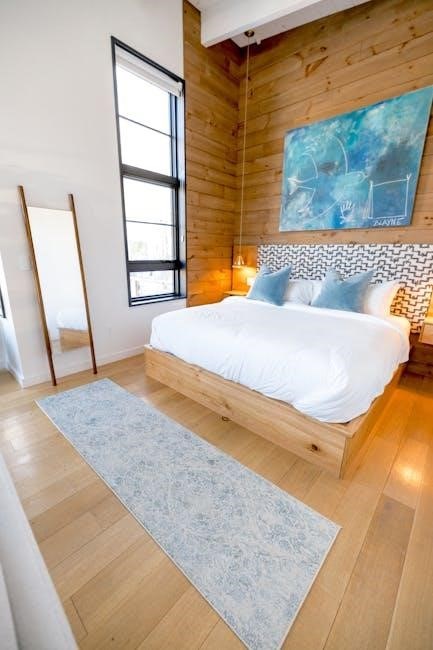
Furthermore, the arrangement of the beds – whether side-by-side, facing each other, or separated by furniture – significantly impacts rug size and placement․ Centered configurations require rugs large enough to encompass both beds and surrounding nightstands, while offset arrangements offer more flexibility but still necessitate careful measurement․ Ultimately, success hinges on a thoughtful assessment of room dimensions and a strategic approach to rug selection․
Room Size is Paramount
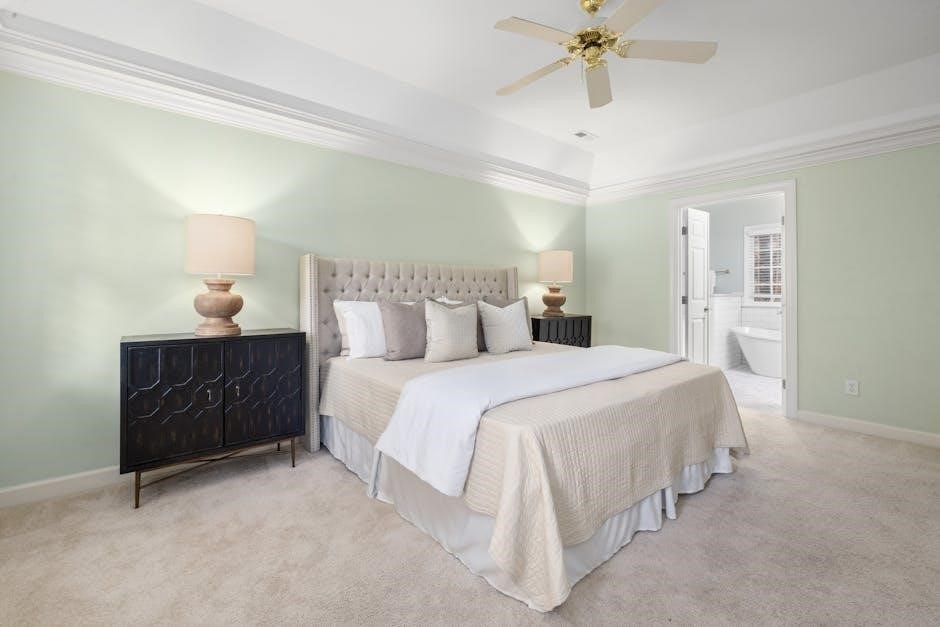
The overall dimensions of the bedroom are the most critical factor when selecting an area rug for two queen beds․ A rug that feels perfectly sized in a spacious room could easily overwhelm a smaller one, and vice versa․ Before considering specific rug sizes, accurately measure the length and width of your bedroom – this is non-negotiable for a successful outcome․
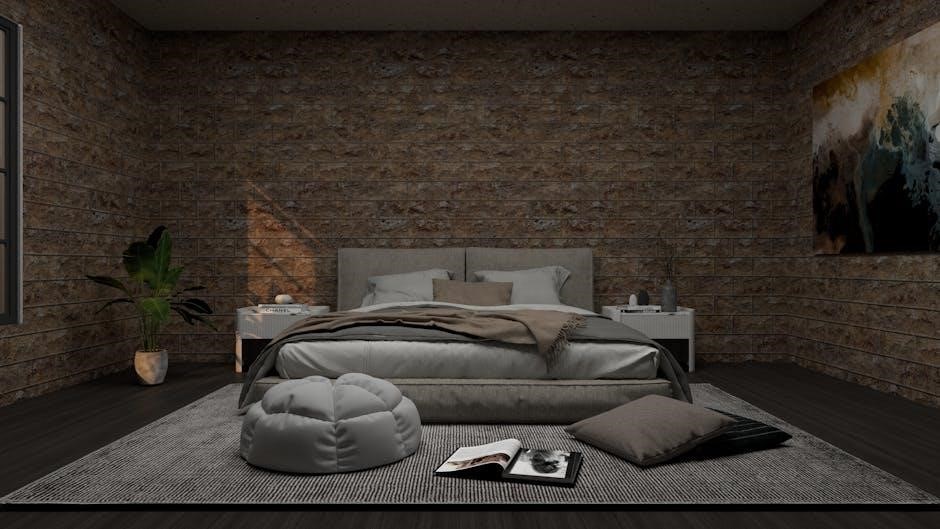
Consider the room’s layout beyond just the bed placement․ Account for doorways, windows, closets, and any other furniture you intend to keep․ These elements will influence the usable floor space and dictate how much of the room the rug can realistically cover․ A larger room naturally allows for a more generous rug size, potentially a 9×12, while a smaller room might necessitate an 8×10 or even a layered approach․
Don’t underestimate the impact of visual space․ Even in a larger room, leaving some exposed flooring around the perimeter can prevent the room from feeling too enclosed․ Prioritize a balanced aesthetic where the rug defines the sleeping area without dominating the entire space․ Careful consideration of room size is the foundation of effective rug selection․
Minimum Rug Extension Beyond Bed
A fundamental principle of rug placement is ensuring sufficient extension beyond the perimeter of the beds; For two queen beds, this is even more crucial to visually connect the sleeping areas and create a cohesive look․ Experts generally recommend a minimum extension of 18 to 24 inches beyond the sides and foot of each bed․ This provides a comfortable landing space when stepping out of bed and prevents the beds from appearing “floating” on a small rug․
This extension isn’t merely aesthetic; it contributes to the room’s functionality and comfort․ It allows for easier movement around the beds and provides a soft surface underfoot․ Consider the placement of nightstands – the rug should ideally extend beyond them as well, creating a unified zone․ A smaller extension might work for a minimalist style, but a more generous extension generally feels more luxurious and balanced․
Remember that these are guidelines, not strict rules․ Adjust the extension based on your room’s size and your personal preferences․ However, failing to provide adequate extension can result in a disjointed and visually unappealing arrangement․
Recommended Rug Sizes for Small Bedrooms
When dealing with smaller bedrooms accommodating two queen beds, rug size selection becomes particularly critical․ Overly large rugs can overwhelm the space, while rugs that are too small can appear insignificant․ A 6×9 rug can be a suitable option for a minimalist approach, providing sufficient coverage under the lower two-thirds of each bed, leaving a border of exposed flooring around the perimeter․ This creates a sense of spaciousness․
However, for a more substantial feel, an 8×10 rug is often a better choice, even in smaller rooms․ It allows for a greater extension beyond the beds, visually anchoring the furniture and creating a more defined seating area․ Prioritize leaving at least 18-24 inches of bare floor around the edges of the room to prevent a cramped feeling․
Careful consideration of furniture arrangement is key․ If nightstands are small, the rug can extend further to encompass them․ If space is extremely limited, consider runners placed alongside each bed instead of a single large area rug․
8×10 Rug Placement with Two Queen Beds
An 8×10 rug is a popular and versatile choice for bedrooms with two queen beds, offering a balance between coverage and spaciousness․ Optimal placement typically involves positioning the rug so that it extends approximately 18-24 inches beyond the sides and foot of each bed․ This creates a visually balanced and comfortable arrangement;
Centering the rug within the room is a common approach, ensuring equal exposure on all sides․ However, if the room isn’t perfectly symmetrical, an offset placement might be more aesthetically pleasing․ A Reddit user noted successfully using an 8×10 rug, pulling it down about two feet from the headboard to accommodate nightstands․
Ensure the front legs of each bed rest comfortably on the rug, while the back legs remain off․ This defines the bed as a focal point while still allowing for comfortable movement around the room․ Consider the flow of traffic and ensure the rug doesn’t obstruct walkways․ Prioritize leaving sufficient floor space for opening doors and accessing closets․
9×12 Rug Placement with Two Queen Beds
A 9×12 rug provides generous coverage for bedrooms housing two queen beds, particularly well-suited for larger spaces․ This size allows for substantial floor space beyond the beds, accommodating additional furniture like accent chairs or a bench, enhancing the room’s functionality and aesthetic appeal․
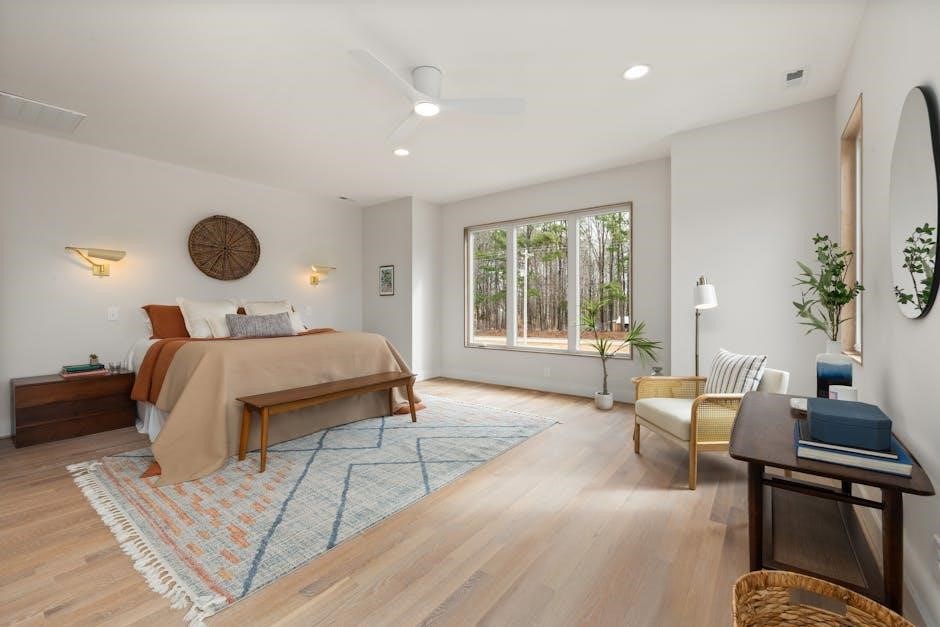
With a 9×12 rug, both the front and back legs of each queen bed can comfortably rest on the rug, creating a more grounded and luxurious feel․ Extending the rug 24 inches or more beyond the sides and foot of the beds is recommended for balance and comfort, as suggested by experts at JONATHAN Y․
Careful consideration should be given to room dimensions to avoid overwhelming the space․ Ensure there’s ample floor visible around the perimeter of the rug to prevent a cramped appearance․ This size is ideal for creating a defined seating area within the bedroom or for layering with smaller accent rugs for added texture and visual interest․
Considering Nightstand Placement
Nightstand placement significantly impacts area rug selection when dealing with two queen beds․ Ideally, the rug should extend far enough to accommodate at least the front legs of the nightstands, creating a cohesive and balanced look․ However, fully encompassing the nightstands within the rug’s boundaries isn’t always necessary or desirable․
A common approach, as seen in Reddit discussions, involves pulling the rug approximately two feet from the headboard to comfortably fit the nightstands․ This allows for easy access and prevents a feeling of being constricted․ The rug should visually connect the beds and nightstands, establishing a unified zone within the bedroom․
If nightstands are significantly larger or positioned further from the beds, a larger rug size might be required to ensure they are appropriately incorporated․ Conversely, smaller nightstands may allow for a more minimalist rug placement, focusing on anchoring the beds themselves․ Prioritize functionality and flow when determining the optimal nightstand-to-rug relationship․
Rug Placement: Centered vs․ Offset
The decision between centered and offset rug placement for two queen beds hinges on room dimensions and aesthetic preferences․ A centered placement, where the rug is equidistant from both side walls, creates a symmetrical and formal appearance․ This works best in rooms where there’s ample space surrounding the beds, allowing the rug to breathe and not feel cramped․
However, in smaller bedrooms, an offset placement might be more practical․ This involves positioning the rug so it anchors the beds while leaving more open floor space for movement․ An offset arrangement can visually expand the room and prevent it from feeling overcrowded․ It’s particularly useful if one side of the room has limited space or features a doorway․
Consider the overall flow of traffic within the bedroom․ Centered placement can sometimes obstruct pathways, while an offset arrangement can create a more natural and accessible route․ Ultimately, the goal is to create a balanced and functional layout that complements the room’s architecture and your personal style․
Leaving Floor Space Around the Beds
Maintaining adequate floor space around two queen beds is crucial for both functionality and aesthetic balance․ A rug shouldn’t extend so close to the walls that it feels restrictive or overwhelms the room․ Experts recommend leaving at least 18-24 inches of bare floor visible around the perimeter of the rug, and ideally, extending beyond the sides and foot of the beds․
This border of exposed flooring creates a sense of spaciousness and allows for comfortable movement around the beds․ It also prevents the room from feeling cluttered or closed-in․ Consider the placement of nightstands; the rug should ideally not obstruct access to them․ A minimalist approach, utilizing a 6×9 rug, provides sufficient coverage while maximizing visible floor space․
Prioritizing open space enhances the room’s overall flow and makes it feel more inviting․ Remember, the rug should anchor the beds and define the sleeping area, not consume the entire room․ Thoughtful consideration of floor space contributes significantly to a well-designed and comfortable bedroom․
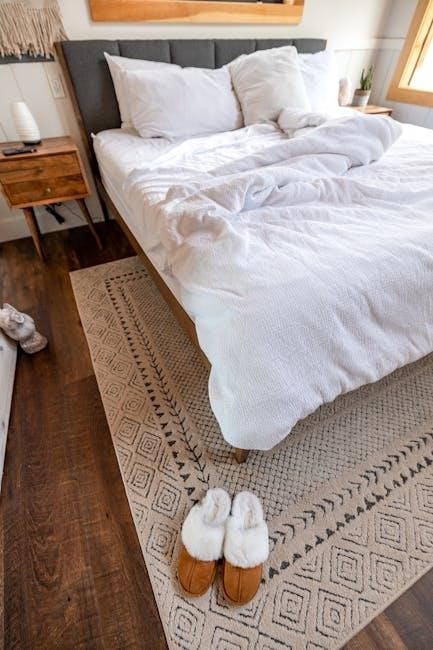
The Role of Room Shape
The shape of your bedroom significantly influences the optimal area rug size and placement when accommodating two queen beds․ Rectangular rooms generally offer more flexibility, allowing for rugs to be centered or offset to create distinct zones․ However, irregularly shaped rooms – those with alcoves, angles, or unusual dimensions – require a more tailored approach․
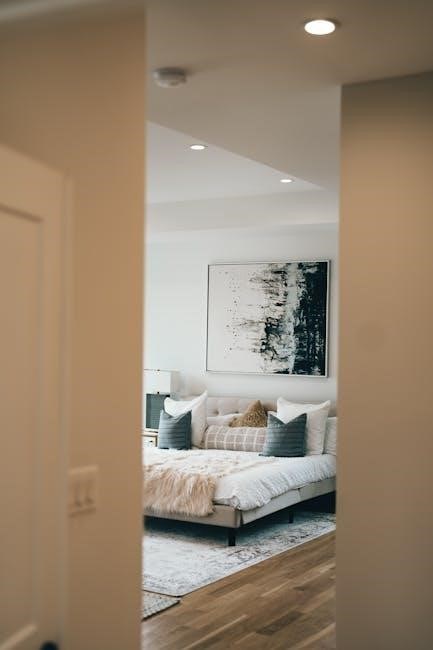
In oddly shaped spaces, consider a rug that visually unifies the area around the beds, softening the room’s asymmetry․ Avoid forcing a standard-sized rug into a space where it doesn’t naturally fit; this can accentuate the room’s awkwardness․ A custom-sized rug might be the best solution for maximizing both style and functionality․
For square rooms, a larger rug, such as a 9×12, can effectively anchor both beds and create a cohesive look․ Always measure carefully and visualize how the rug will interact with the room’s architectural features․ The goal is to enhance the room’s proportions, not detract from them․
Rug Materials and Pile Height
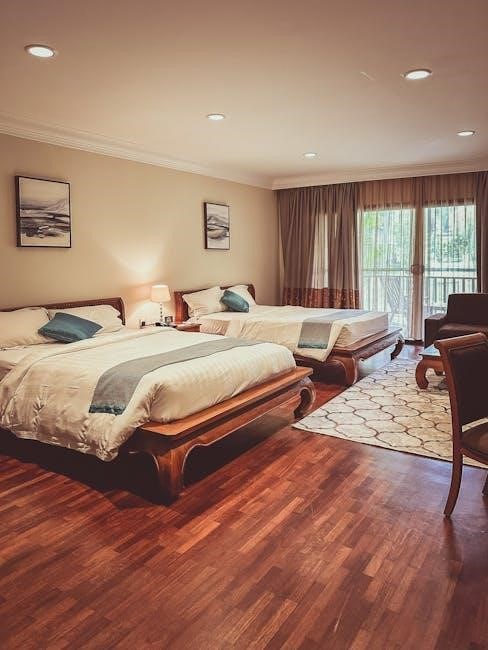
Selecting the right rug material and pile height is crucial for comfort and practicality in a bedroom with two queen beds․ Natural fibers like wool offer softness, durability, and inherent stain resistance, making them an excellent choice for high-traffic areas․ Synthetic materials, such as polypropylene or polyester, provide affordability and ease of cleaning, ideal for bedrooms prone to spills or pet hair․
Pile height impacts the rug’s feel underfoot and its overall aesthetic․ Low-pile rugs (under 0․5 inches) are easier to clean and maintain, suitable for minimalist designs or homes with pets․ Medium-pile rugs (0․5-1 inch) offer a balance of comfort and practicality, providing a cozy feel without being overly plush․
High-pile rugs (over 1 inch) create a luxurious, inviting atmosphere but may be more challenging to clean and navigate, especially around beds․ Consider the overall bedroom style and lifestyle when choosing the appropriate material and pile height for optimal comfort and longevity․
Layering Rugs for Larger Spaces
In expansive bedrooms accommodating two queen beds, layering rugs can introduce visual interest, define zones, and enhance the overall sense of warmth and luxury․ This technique involves placing a smaller rug on top of a larger, neutral base rug, creating a dynamic and personalized aesthetic․
The base rug should be large enough to anchor both beds and surrounding furniture, providing a unified foundation․ A 9×12 or even larger size is often suitable․ The top layer can be a smaller, more decorative rug – perhaps a 6×9 or 8×10 – placed strategically to highlight a seating area or the foot of one of the beds․
Consider contrasting textures, patterns, and colors to create visual impact․ For example, a jute base rug paired with a plush, patterned top rug can add depth and dimension․ Ensure the top rug is centered or intentionally offset on the base rug for a balanced and cohesive look․ Layering allows for flexibility and personalization, adapting to evolving style preferences․
Visualizing Rug Size with Tape
Before committing to a purchase, effectively visualizing rug size within the bedroom is crucial, especially when dealing with two queen beds․ A simple yet powerful technique involves using painter’s tape to outline potential rug dimensions directly on the floor․
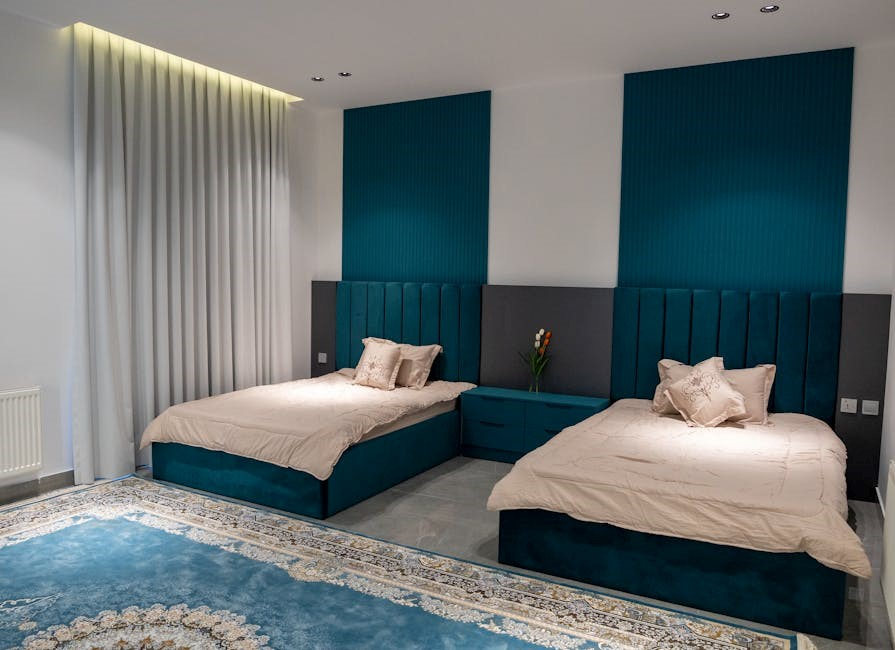
Start by marking the desired perimeter for various rug sizes – 8×10, 9×12, or even larger – using the tape․ This allows you to physically assess how much floor space will be covered and how the rug will interact with the beds, nightstands, and other furniture․
Walk around the taped area, simulating the feeling of the rug underfoot․ Consider how the layout impacts traffic flow and overall room proportions․ Pay attention to the recommended 18-24 inch extension beyond the sides and foot of the beds for balance and comfort․ This hands-on approach minimizes the risk of selecting a rug that is too small or overwhelms the space, ensuring a harmonious and well-proportioned bedroom design․
Budget Considerations
Establishing a budget is a vital first step when selecting an area rug for a bedroom with two queen beds․ Rug prices vary dramatically based on material, size, construction, and brand․ Generally, larger rugs – like the 9×12 often recommended for this setup – will naturally command a higher price point․
Consider the long-term value․ While inexpensive synthetic rugs may initially seem appealing, investing in a higher-quality wool or natural fiber rug can offer greater durability and longevity․ Explore options like sales, discounts, and online retailers to find competitive pricing․
Don’t forget to factor in potential additional costs, such as rug pads (essential for preventing slippage and protecting flooring) and professional cleaning․ Prioritizing quality within your budget ensures a beautiful and functional rug that enhances your bedroom for years to come, rather than requiring frequent replacement․
Popular Rug Styles for Bedrooms

When choosing a rug style for a bedroom with two queen beds, consider the overall aesthetic you wish to achieve․ Traditional styles, like Persian or Oriental rugs, introduce rich colors and intricate patterns, creating a sense of luxury and warmth․ These often pair well with classic bedroom furniture․
For a more contemporary look, explore abstract or geometric designs․ These rugs offer visual interest without overwhelming the space․ Neutral palettes, such as grays, creams, and blues, are popular choices for bedrooms, promoting a calming atmosphere․
Shag rugs provide a plush and comfortable feel underfoot, ideal for creating a cozy retreat․ Jute or sisal rugs offer a natural texture and a relaxed, bohemian vibe․ Ultimately, the best style complements your personal taste and the existing décor, tying the room together harmoniously․
Measuring Your Bedroom Accurately
Precise measurements are paramount when selecting an area rug for a bedroom with two queen beds․ Begin by measuring the length and width of the entire room․ Note the location of doorways, windows, and any built-in furniture that will impact rug placement․
Next, measure the dimensions of each queen bed (typically 60 x 80 inches)․ Determine the desired amount of floor space you want to expose around the beds – a minimum of 18-24 inches is generally recommended for balance and comfortable movement․
Sketch a rough floor plan, including the beds, nightstands, and other furniture․ Use this plan to visualize different rug sizes and placements․ Don’t forget to account for walking paths and ensure the rug doesn’t obstruct traffic flow․ Accurate measurements prevent costly mistakes and guarantee a perfectly sized rug․
Where to Buy Area Rugs
Numerous retailers offer a diverse selection of area rugs suitable for bedrooms with two queen beds․ Online marketplaces like Rugs Direct and Rug Gallery provide extensive catalogs with various styles, sizes, and price points․ These platforms often feature detailed product descriptions and customer reviews to aid your decision-making process․
For a more tactile experience, consider visiting brick-and-mortar stores such as Jonathan Y, or larger home décor retailers․ These stores allow you to physically assess the rug’s texture, color, and quality before purchasing․ Don’t hesitate to ask sales associates for assistance in finding the perfect rug for your space․
Additionally, explore options like department stores and discount retailers․ Comparing prices and exploring different vendors ensures you secure the best value for your investment․ Remember to check return policies before finalizing your purchase, allowing for flexibility if the rug doesn’t quite meet your expectations․